PVC Capacitor Wire: Uses, Types, Manufacturing & Buying Guide
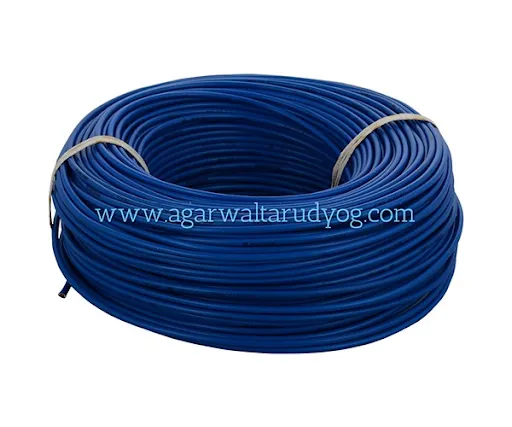
PVC Capacitor Wire: Uses, Manufacturing, Benefits and Buying Guide
PVC capacitor wire is an important electrical component used in ceiling fans, water pumps, air coolers, and various motor-driven appliances. It generally consists of a copper conductor covered with polyvinyl chloride (PVC) insulation. This insulation helps protect the conductor and supports safe, reliable electrical connections when the wire is selected and installed according to the application's requirements.
For appliance manufacturers, electrical contractors, distributors, and bulk buyers, choosing the right capacitor wire is essential for maintaining consistent product quality and reducing wiring-related problems.
What Is PVC Capacitor Wire?
PVC capacitor wire is designed to connect capacitors with motor windings, terminals, or other circuit components, depending on the appliance design. Stranded copper conductors are commonly used because they provide flexibility and make installation easier in compact electrical assemblies.
The wire's performance depends on conductor material, wire size, insulation quality, voltage rating, and operating temperature. These specifications should always match the intended application.
How Is PVC Capacitor Wire Manufactured?
Manufacturing begins with copper drawing, where copper rods are converted into fine wires. During stranding, multiple fine strands are twisted together to create a flexible conductor. Tinning may be performed when specified to improve oxidation resistance and support soldering.
Next, PVC insulation is applied through an extrusion process. The insulated wire is cooled and checked for dimensions, insulation coverage, and other required quality parameters. Finally, the finished wire is coiled and packaged according to customer requirements.
Consistent manufacturing and appropriate testing help reduce defects such as uneven insulation, exposed conductor strands, and inconsistent wire dimensions.
Benefits of PVC Insulation
PVC is widely used in electrical wiring because it offers a practical combination of electrical insulation, flexibility, availability, and cost-effectiveness. Suitable PVC formulations can provide resistance to moisture and certain environmental conditions. Special grades may also offer flame-retardant properties where required.
However, the actual performance depends on the insulation formulation, manufacturing quality, and product rating. Buyers should verify the technical specifications before selecting a wire for a particular application.
Common Applications of PVC Capacitor Wire
PVC capacitor wire is used in several electrical and electronic applications, including ceiling fans, table fans, exhaust fans, water pumps, motor starter assemblies, air coolers, selected refrigeration appliances, washing machines, mixers, and small industrial motors.
It is also purchased by electrical component manufacturers, appliance assembly units, distributors, and repair businesses. The wire must be suitable for the equipment's electrical load, operating temperature, and installation conditions.
PVC vs Silicone Rubber vs XLPE Insulation
PVC is commonly used for general-purpose wiring when its ratings meet application requirements. Silicone rubber insulation may be preferred for certain applications requiring greater flexibility or higher temperature resistance. XLPE offers useful electrical and thermal properties in appropriately designed cables and wiring systems.
The correct choice depends on voltage, temperature, environmental conditions, flexibility requirements, and applicable standards. Not every insulation material is suitable for every appliance.
How to Choose the Right PVC Capacitor Wire
Before purchasing, consider the following factors.
Conductor material: Confirm whether copper or another specified material is required.
Wire size: Select the appropriate conductor size according to current requirements and circuit design.
Strand configuration: Check flexibility and conductor construction requirements.
Insulation thickness: Ensure that the insulation meets the required specifications.
Voltage and temperature ratings: Confirm suitability for the intended operating conditions.
Colour and packaging: Specify required insulation colours, coil lengths, and packaging.
Quality documentation: Ask for relevant test reports and compliance information where applicable.
For bulk purchases, provide the manufacturer with your application details, required dimensions, quantity, and technical specifications.
Common Problems and Safety Precautions
Poor-quality wire, damaged insulation, unsuitable conductor sizing, and loose connections can contribute to overheating or electrical faults. However, problems such as a humming fan or repeated capacitor failure can also have other causes.
Inspect wires for cracks, discolouration, exposed copper, and broken strands. Disconnect the power supply before inspection or repair, follow the equipment manufacturer's wiring instr
Frequently Asked Questions
1. What is PVC capacitor wire used for?
It connects capacitors with motors and circuit components in compatible appliances, including fans and pumps.
2. How do I choose the right wire size?
Consider current requirements, conductor material, operating temperature, and applicable electrical standards.
3. Is PVC capacitor wire suitable for ceiling fans?
Yes, when its specifications meet the fan manufacturer's requirements.
4. Can capacitor wire be customised?
Depending on availability, manufacturers may offer different sizes, colours, and packaging.
Closing Notes
Choose PVC capacitor wire based on quality, safety ratings, and application requirements. Contact Agarwal Tar Udyog to discuss your required wire specifications, colours, and bulk order quantities.